
Can Bad Posture Cause Neck and Back Pain? What Your Spine May Be Telling You


Could Your Posture Really Be Causing Your Pain?
In short—yes, it absolutely can.
Whether you are dealing with neck pain, low back pain, headaches, shoulder tension, or even pelvic discomfort, posture has a significant influence on how your body feels and functions.
Your spine is not isolated. It has the ability to refer pain into the arms, legs, shoulder blades, hips, and even the pelvic floor. Because of this, the way we position our bodies all day long matters far more than most people realize.
The Problem With Forward Head Posture
Forward head posture is incredibly common today. Between computers, phones, driving, and prolonged sitting, most of us spend hours each day with the head drifting forward in front of the body.
Even a small forward shift in the head creates significant strain on the neck and upper back.
In fact, a forward head posture can place forces on the cervical spine comparable to carrying several pounds of additional weight around the neck all day long.
Over time, this constant strain can contribute to:
Neck pain
Shoulder blade tension
Headaches
Arm and hand symptoms
Disc irritation
Muscle tightness and fatigue
As the head moves forward, the upper back rounds and the chest collapses downward, making it increasingly difficult for the neck to maintain a neutral position.
Improving Upper Body Posture
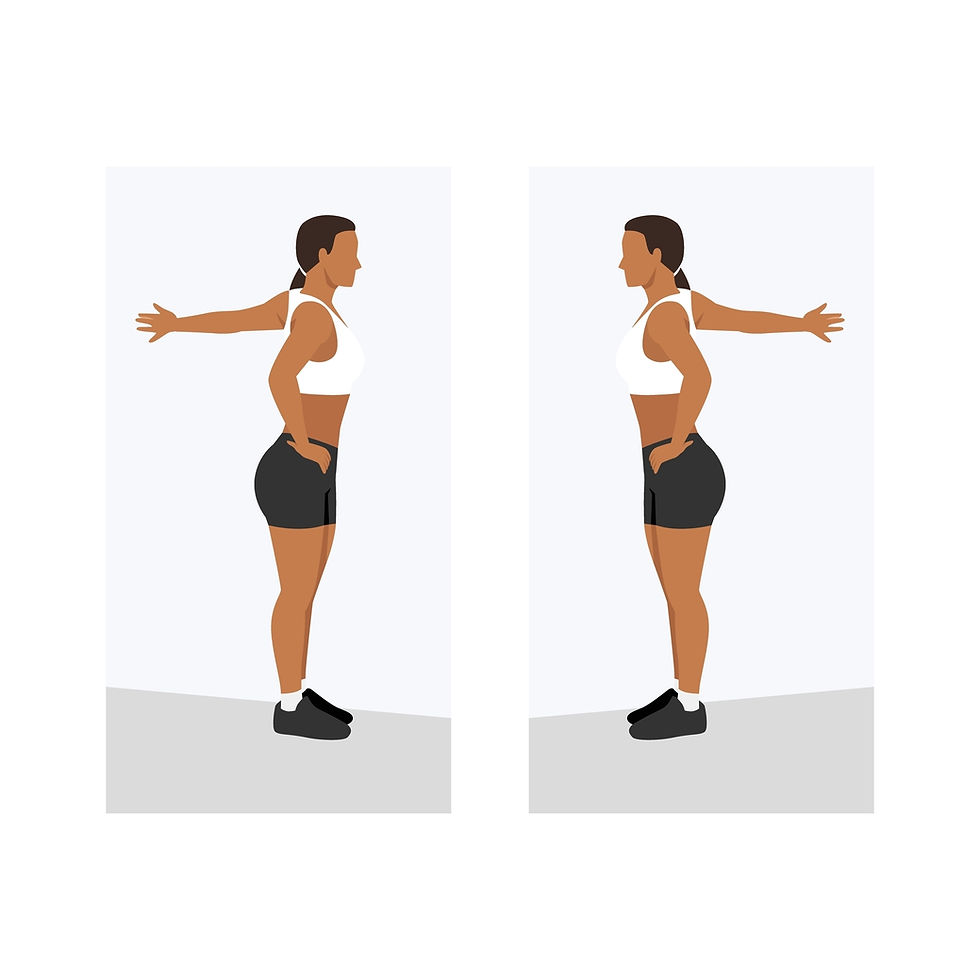
One of the simplest ways to improve posture is by lifting or gently elevating the sternum (breastbone).

When the chest lifts, the shoulders are better able to settle back into a more natural position, allowing the head and neck to stack more comfortably over the torso.
If the sternum remains collapsed, maintaining a neutral neck position becomes much more difficult.
A practical, functional movement? Bring your devices to your face instead of your face to your devices.

Stretching the muscles on the front of the body while strengthening the muscles on the back can also be very helpful.
For many people, this means:
Stretching the chest (pectorals)
Strengthening the mid-back and scapular muscles
Improving overall spinal mobility
Poor Sitting Posture and Low Back Pain
Just as poor posture affects the neck, prolonged sitting posture can significantly impact the lower back and pelvis.

Low back dysfunction can refer pain into:
The hips
The glutes
The legs
The pelvic floor
The sacrum and tailbone region
Most of us spend a tremendous amount of time in spinal flexion—or forward bending.
Sitting is essentially a prolonged forward-bending position for the spine. And for many people, it doesn’t stop there.
Think about how much of the day is spent in flexion:
Sitting at a desk
Driving
Looking at a phone
Bending to put on shoes
Picking things up
Cleaning
Gardening
Exercising in flexed positions
Meanwhile, very little time is spent moving the spine into extension, or backbending.
Over time, this imbalance can create significant strain on the lumbar and sacral regions of the spine.

Just like in the neck, prolonged stress on the discs and supporting tissues of the lower back can eventually contribute to stiffness, irritation, and referred pain patterns.
One of the Best Things You Can Do: Move More Often
One of our best defenses against posture-related pain is simply changing positions more frequently.

If you sit for long periods:
Take standing or walking breaks at least once per hour
Use a firm pillow or bolster for support while sitting
Vary your posture throughout the day instead of holding one position constantly
Keep the spine mobile in multiple directions—not just forward bending
Maintaining spinal flexibility is incredibly important.
Can your spine comfortably move into extension? Can you perform a gentle yoga cobra pose without discomfort or excessive stiffness?

As the spine becomes more rigid and less adaptable, the opportunity for pain and dysfunction often increases.
Posture Is About More Than Sitting Up Straight
Good posture is not about perfection or rigid positioning.
It is about creating enough strength, mobility, endurance, and movement variability so the body can tolerate daily life without excessive strain.
Because ultimately, the body tends to struggle most when it stays in the same position for too long.
Struggling with neck pain, back pain, headaches, or stiffness from prolonged sitting?
At Union Yoga & Physical Therapy, Dr. Danielle Rose combines physical therapy, movement analysis, and yoga-based rehabilitation to help patients improve posture, spinal mobility, strength, and body awareness. If your daily posture is contributing to pain or tension, individualized treatment can help you move and feel better.


Comments